Buy aleksou.eu ?
We are moving the project
aleksou.eu .
Are you interested in purchasing the domain
aleksou.eu ?
domain@kv-gmbh.de · 0541-91531010
Buy aleksou.eu ?
Is the foxtail plant poisonous?
Yes, the foxtail plant is considered to be toxic to both humans and animals. Ingesting any part of the plant can cause symptoms such as vomiting, diarrhea, and skin irritation. It is important to keep pets and children away from foxtail plants to avoid potential poisoning. If you suspect that someone has ingested or come into contact with a foxtail plant, it is important to seek medical attention immediately. **
Which plant is called curled foxtail on the horse paddock?
The plant called curled foxtail in a horse paddock is likely the foxtail barley (Hordeum jubatum). This plant is a type of grass that can be harmful to horses if ingested, as it can cause irritation and discomfort in their digestive system. It is important for horse owners to be aware of this plant and take measures to prevent their horses from grazing on it. **
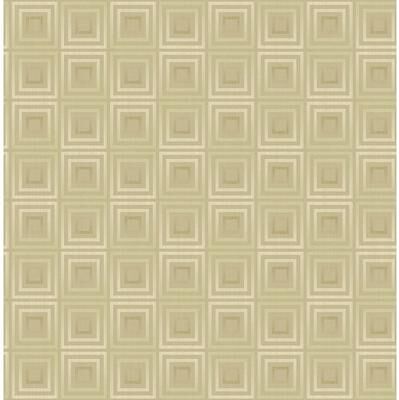
Similar search terms for Seabrook-Designs-Foxtail-Tile
Top-Angebote
Products related to Seabrook-Designs-Foxtail-Tile:
-
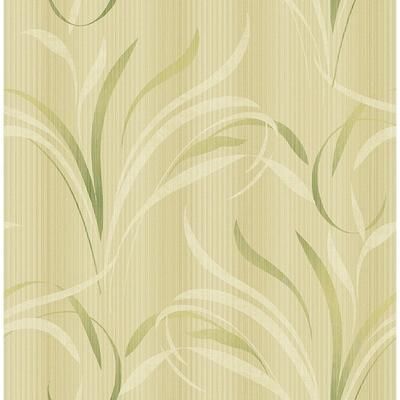
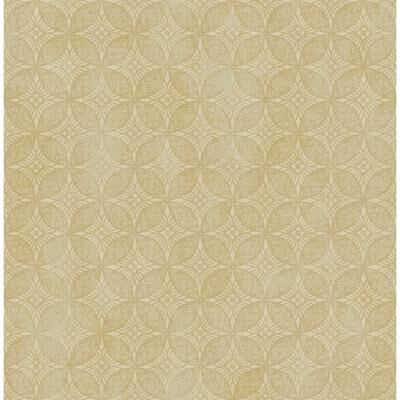
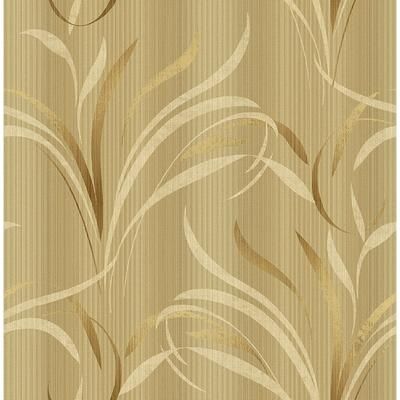
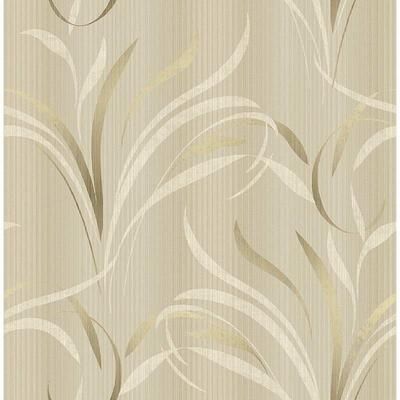
Seabrook Designs Woodcroft Tile Medallion Unpasted WallpaperRooted in tradition and refined with a modern sensibility, this Woodcroft Tile Medallion unpasted wallpaper pattern by Seabrook Designs will bring a stately elegance to any interior.29,99 $*Shipping: 0,00 $Secure redirect to the provider
-
What plant is called curled foxtail on the horse paddock?
Curled foxtail is a common name for the plant Hordeum murinum, which is a type of grass that can be found in horse paddocks. It is known for its distinctive curled seed heads that resemble a fox's tail. While horses may graze on this grass, it is not considered a preferred forage due to its low nutritional value and potential for causing digestive issues. Proper pasture management is important to prevent the overgrowth of curled foxtail and ensure the health of horses grazing in the paddock. **
-
Who designs labels?
Labels are typically designed by graphic designers or packaging designers. These professionals are skilled in creating visually appealing and informative designs that effectively communicate the brand and product information. They consider factors such as branding, legal requirements, and consumer appeal when designing labels for products. Additionally, some companies may have in-house design teams or outsource the label design to specialized design agencies. **
-
What is better, tile paint or tile color?
The choice between tile paint and tile color depends on personal preference and the desired outcome. Tile paint is a quick and cost-effective way to update the look of tiles, but it may not be as durable or long-lasting as tile color. On the other hand, tile color involves replacing the tiles entirely, providing a more permanent solution with a wider range of color options. Ultimately, the decision between tile paint and tile color should be based on factors such as budget, time constraints, and the desired longevity of the update. **
-
What are motor designs?
Motor designs refer to the various configurations and arrangements of components within an electric motor. This includes the layout of the stator, rotor, windings, and other key elements that determine the motor's performance characteristics. Different motor designs are optimized for specific applications, such as high torque, high speed, or energy efficiency. Engineers carefully select motor designs based on the requirements of the intended application to achieve the desired performance and efficiency. **

How do you create designs?
I create designs by first understanding the client's needs and vision for the project. I then conduct research to gather inspiration and ideas, which I use to sketch out initial concepts. After receiving feedback, I refine the design, paying close attention to details such as color, typography, and layout. Finally, I use design software to bring the concept to life and deliver a final product that meets the client's expectations. **
How thick is the tile adhesive after drying, including the tile?
The thickness of the tile adhesive after drying, including the tile, can vary depending on the type of adhesive used and the application method. Generally, the adhesive layer can range from 1/8 inch to 1/4 inch thick. It is important to follow the manufacturer's recommendations for the specific adhesive being used to ensure proper adhesion and long-term durability of the tile installation. **
Top-Angebote
Products related to Seabrook-Designs-Foxtail-Tile:
-
Seabrook Designs Woodcroft Tile Medallion Unpasted WallpaperRooted in tradition and refined with a modern sensibility, this Woodcroft Tile Medallion unpasted wallpaper pattern by Seabrook Designs will bring a stately elegance to any interior.29,99 $*Shipping: 0,00 $Secure redirect to the provider
-
Is the foxtail plant poisonous?
Yes, the foxtail plant is considered to be toxic to both humans and animals. Ingesting any part of the plant can cause symptoms such as vomiting, diarrhea, and skin irritation. It is important to keep pets and children away from foxtail plants to avoid potential poisoning. If you suspect that someone has ingested or come into contact with a foxtail plant, it is important to seek medical attention immediately. **
-
Which plant is called curled foxtail on the horse paddock?
The plant called curled foxtail in a horse paddock is likely the foxtail barley (Hordeum jubatum). This plant is a type of grass that can be harmful to horses if ingested, as it can cause irritation and discomfort in their digestive system. It is important for horse owners to be aware of this plant and take measures to prevent their horses from grazing on it. **
-
What plant is called curled foxtail on the horse paddock?
Curled foxtail is a common name for the plant Hordeum murinum, which is a type of grass that can be found in horse paddocks. It is known for its distinctive curled seed heads that resemble a fox's tail. While horses may graze on this grass, it is not considered a preferred forage due to its low nutritional value and potential for causing digestive issues. Proper pasture management is important to prevent the overgrowth of curled foxtail and ensure the health of horses grazing in the paddock. **
-
Who designs labels?
Labels are typically designed by graphic designers or packaging designers. These professionals are skilled in creating visually appealing and informative designs that effectively communicate the brand and product information. They consider factors such as branding, legal requirements, and consumer appeal when designing labels for products. Additionally, some companies may have in-house design teams or outsource the label design to specialized design agencies. **
Similar search terms for Seabrook-Designs-Foxtail-Tile
-
What is better, tile paint or tile color?
The choice between tile paint and tile color depends on personal preference and the desired outcome. Tile paint is a quick and cost-effective way to update the look of tiles, but it may not be as durable or long-lasting as tile color. On the other hand, tile color involves replacing the tiles entirely, providing a more permanent solution with a wider range of color options. Ultimately, the decision between tile paint and tile color should be based on factors such as budget, time constraints, and the desired longevity of the update. **
-
What are motor designs?
Motor designs refer to the various configurations and arrangements of components within an electric motor. This includes the layout of the stator, rotor, windings, and other key elements that determine the motor's performance characteristics. Different motor designs are optimized for specific applications, such as high torque, high speed, or energy efficiency. Engineers carefully select motor designs based on the requirements of the intended application to achieve the desired performance and efficiency. **
-
How do you create designs?
I create designs by first understanding the client's needs and vision for the project. I then conduct research to gather inspiration and ideas, which I use to sketch out initial concepts. After receiving feedback, I refine the design, paying close attention to details such as color, typography, and layout. Finally, I use design software to bring the concept to life and deliver a final product that meets the client's expectations. **
-
How thick is the tile adhesive after drying, including the tile?
The thickness of the tile adhesive after drying, including the tile, can vary depending on the type of adhesive used and the application method. Generally, the adhesive layer can range from 1/8 inch to 1/4 inch thick. It is important to follow the manufacturer's recommendations for the specific adhesive being used to ensure proper adhesion and long-term durability of the tile installation. **
* All prices are inclusive of VAT and, if applicable, plus shipping costs. The offer information is based on the details provided by the respective shop and is updated through automated processes. Real-time updates do not occur, so deviations can occur in individual cases. ** Note: Parts of this content were created by AI.